Data privacy and AI: what happens to the documents we hand over
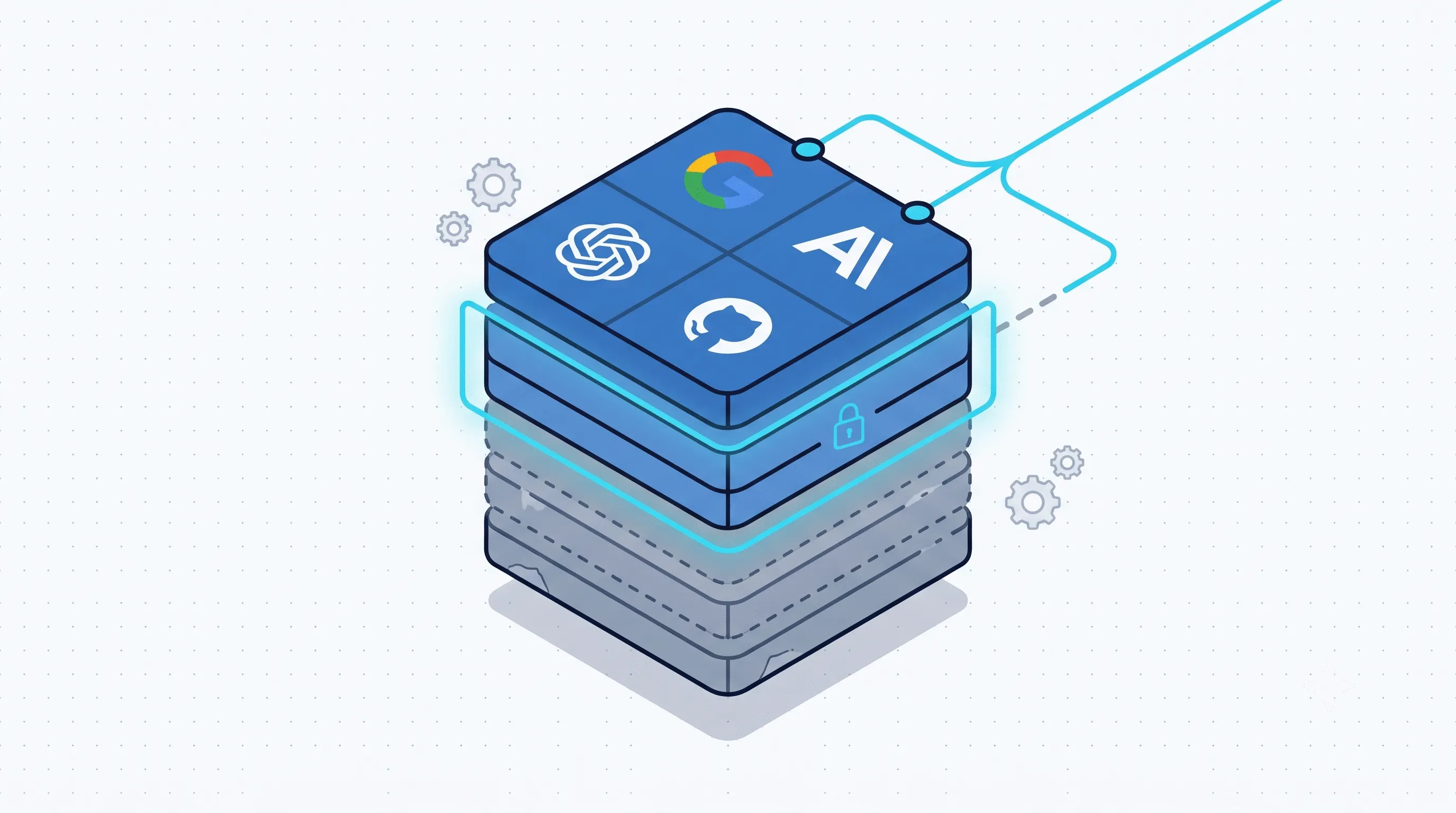
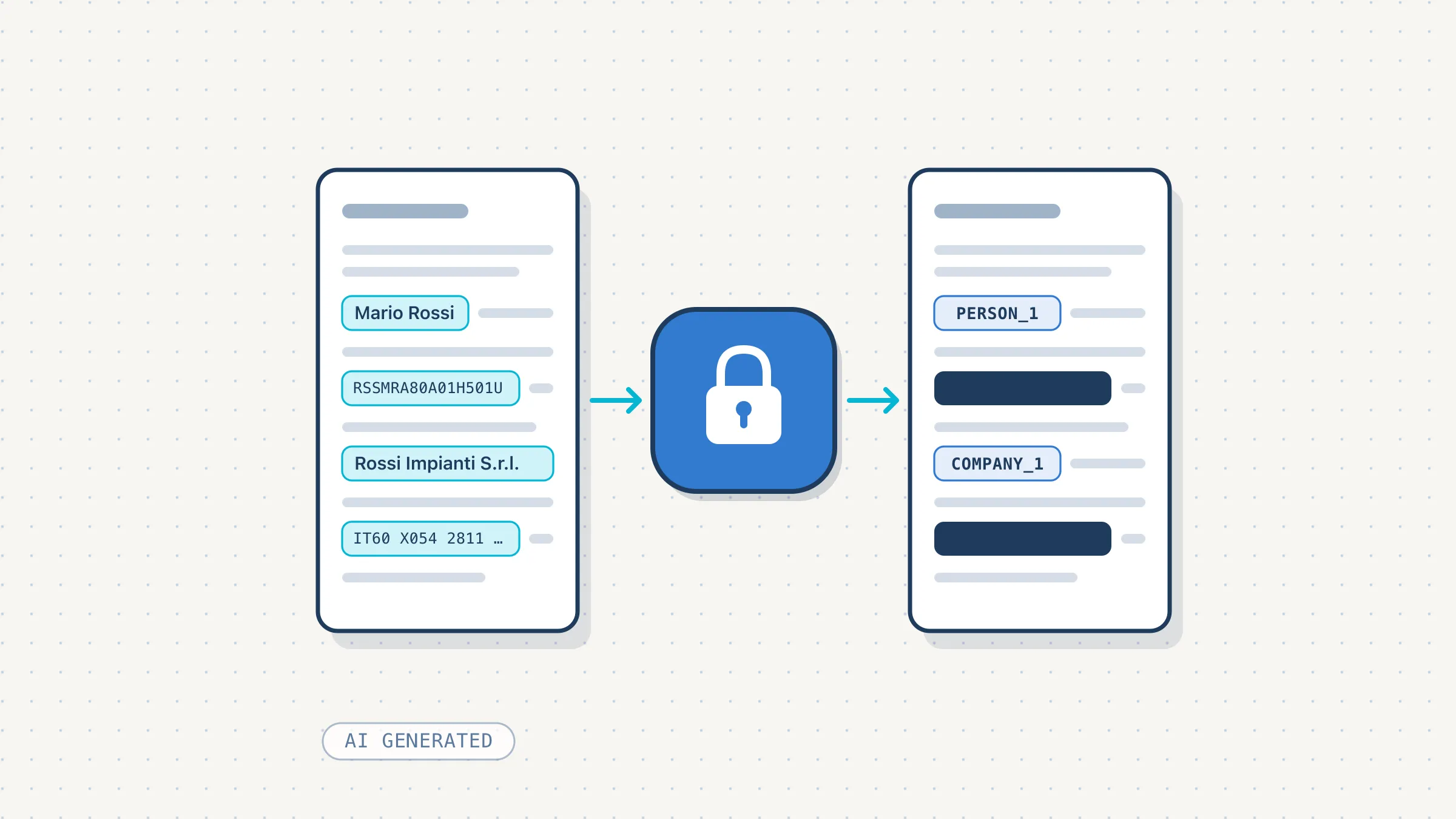
Using AI on contracts and confidential documents means deciding where the data goes. The options, from local models to pseudonymization, and what each one costs.
Everything we publish, in chronological order.
Using AI on contracts and confidential documents means deciding where the data goes. The options, from local models to pseudonymization, and what each one costs.
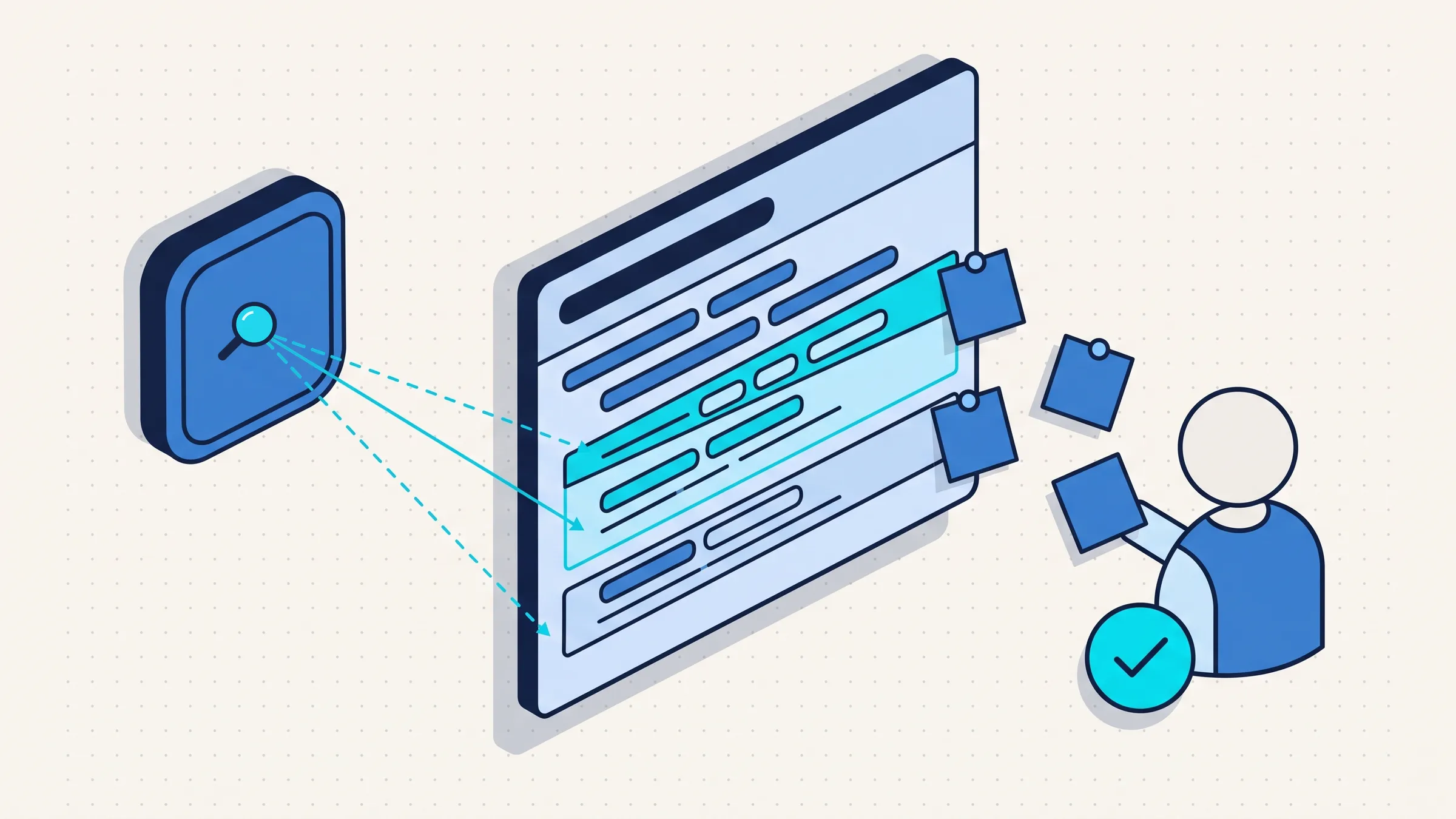
A prototype of a development support tool: an AI reviewer reads our pull requests from inside a locked-down container and leaves only private drafts.
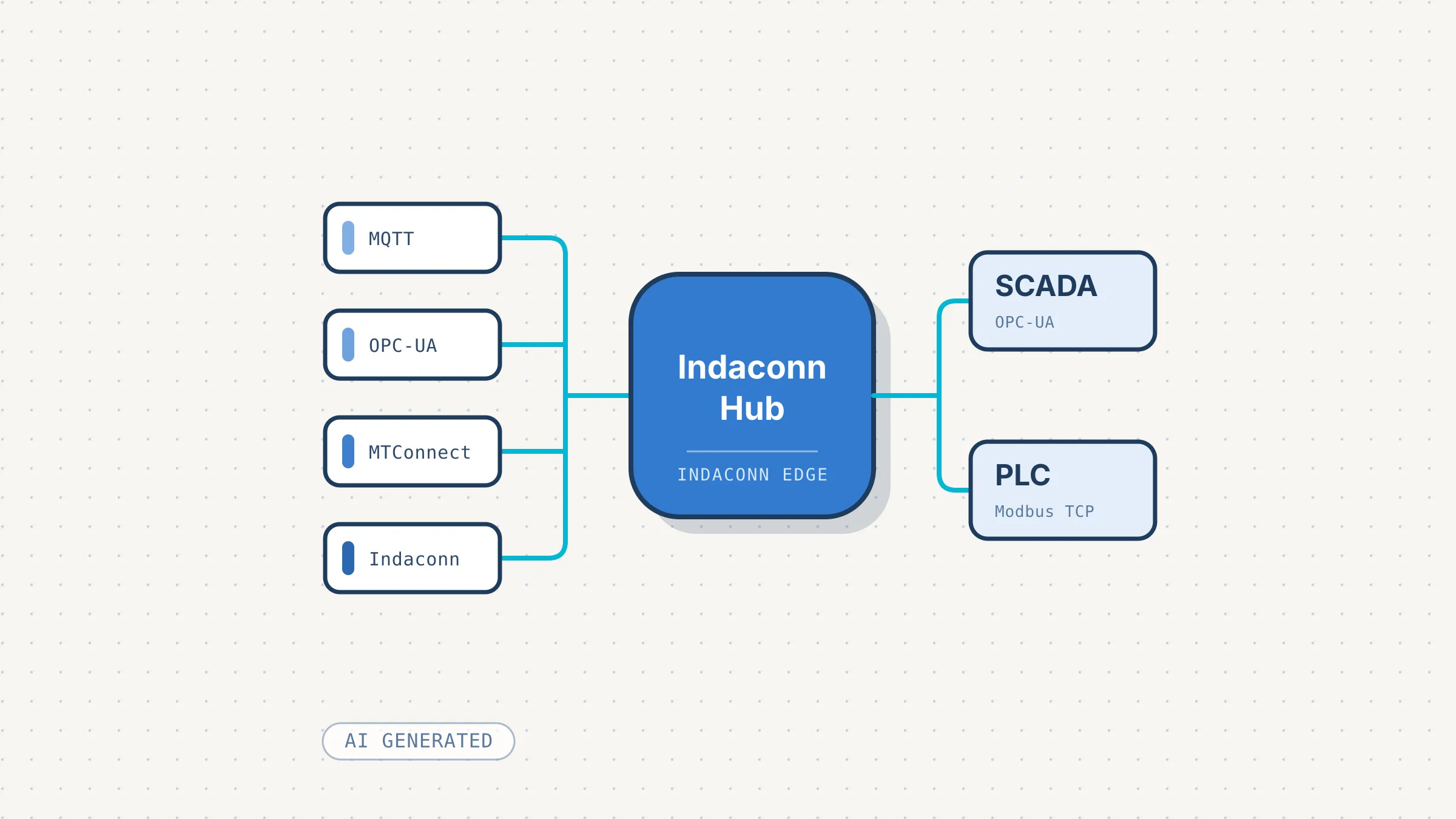
The Indaconn Edge module that collects data over MQTT, OPC-UA and MTConnect, makes it uniform and exposes it to SCADA and PLCs over OPC-UA and Modbus, with replay to Indaconn Cloud.
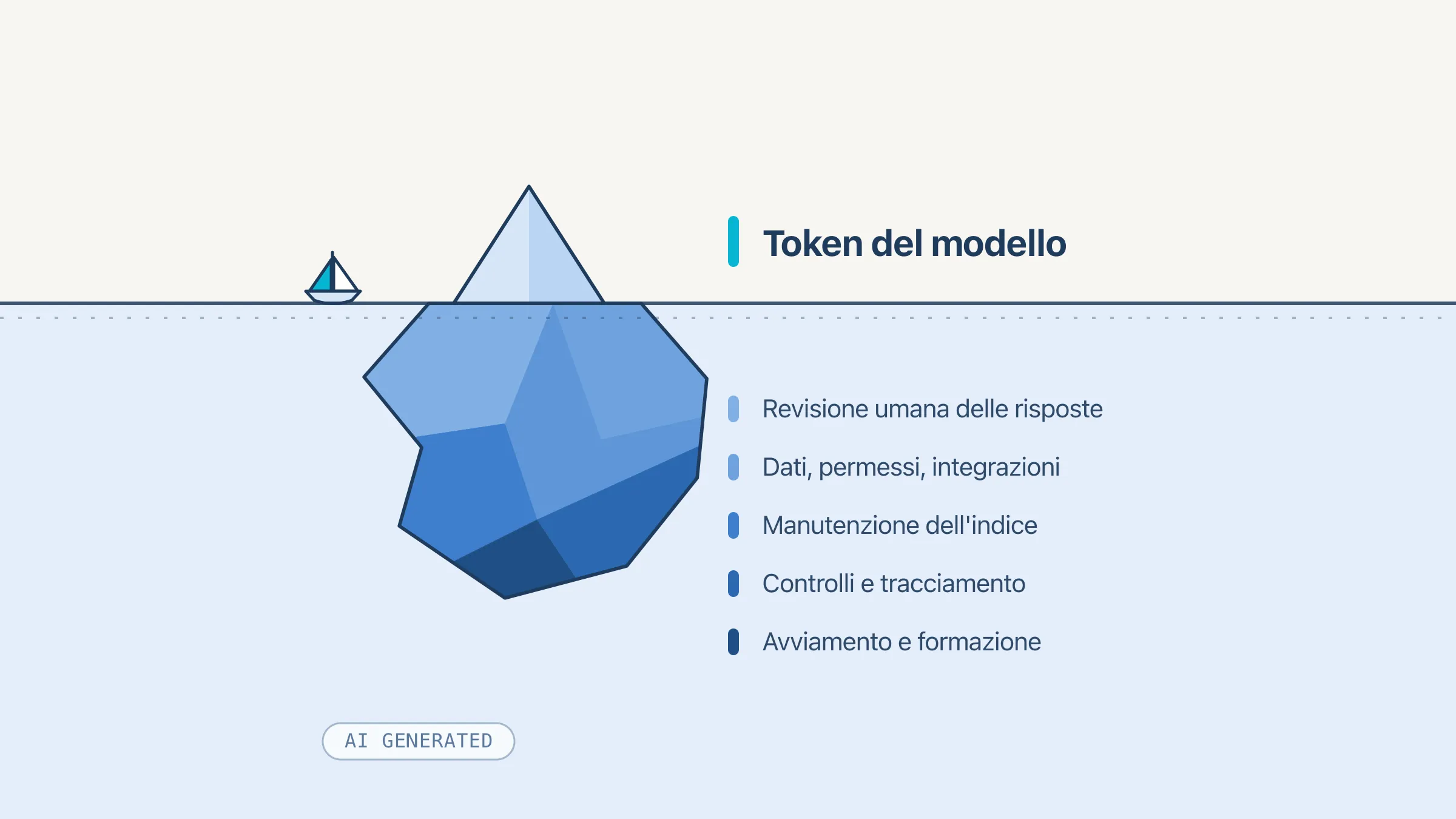
What it really costs to build an AI assistant on your documentation: the numbers item by item, from tokens to review hours, with the public price lists in hand.
Context, boundaries and characterization tests: three pillars for letting AI agents work on legacy code safely. With a hands-on Rails upgrade.
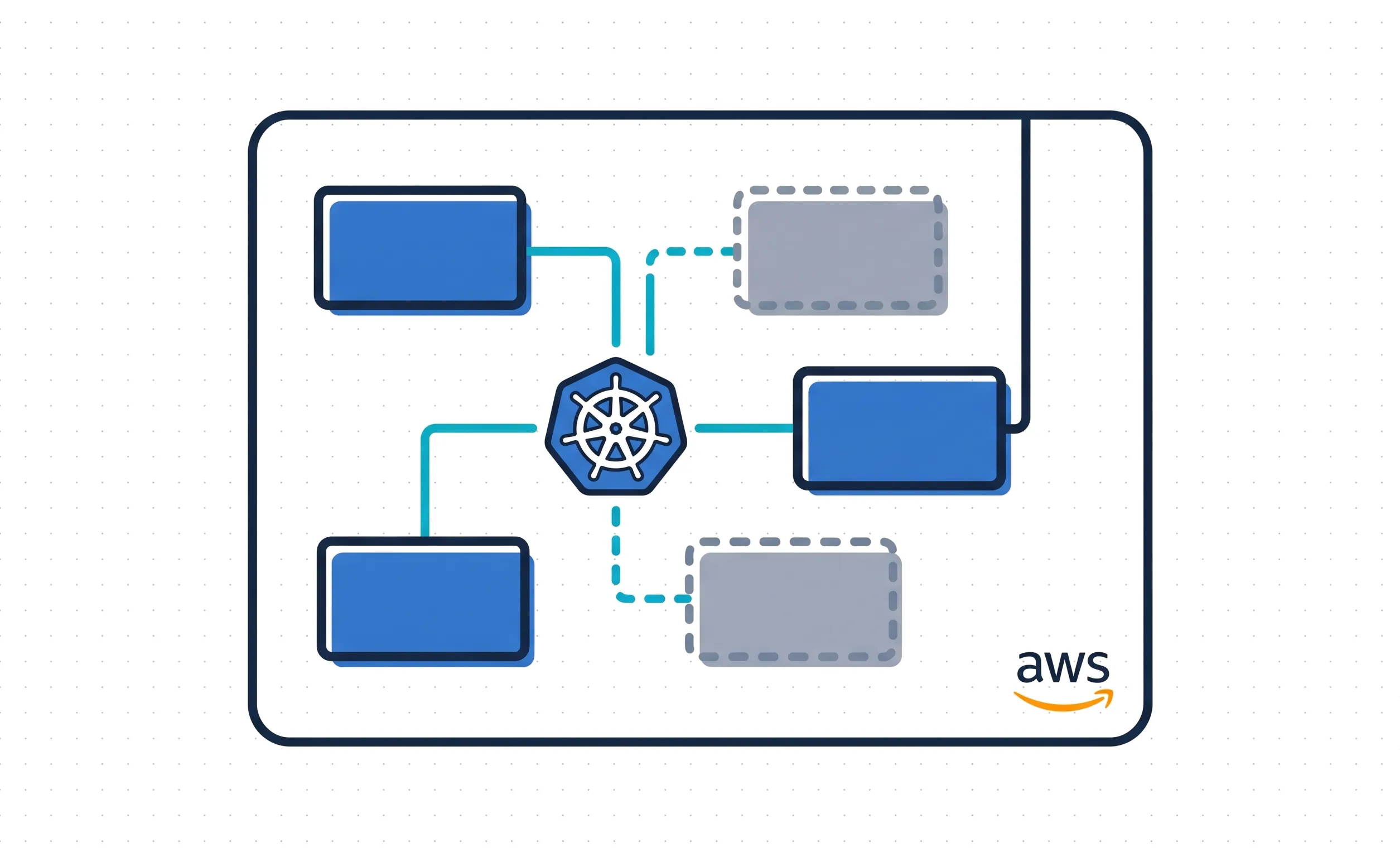
From the IAM group to the first kubectl get nodes: how we set up Kubernetes clusters we run ourselves on AWS.
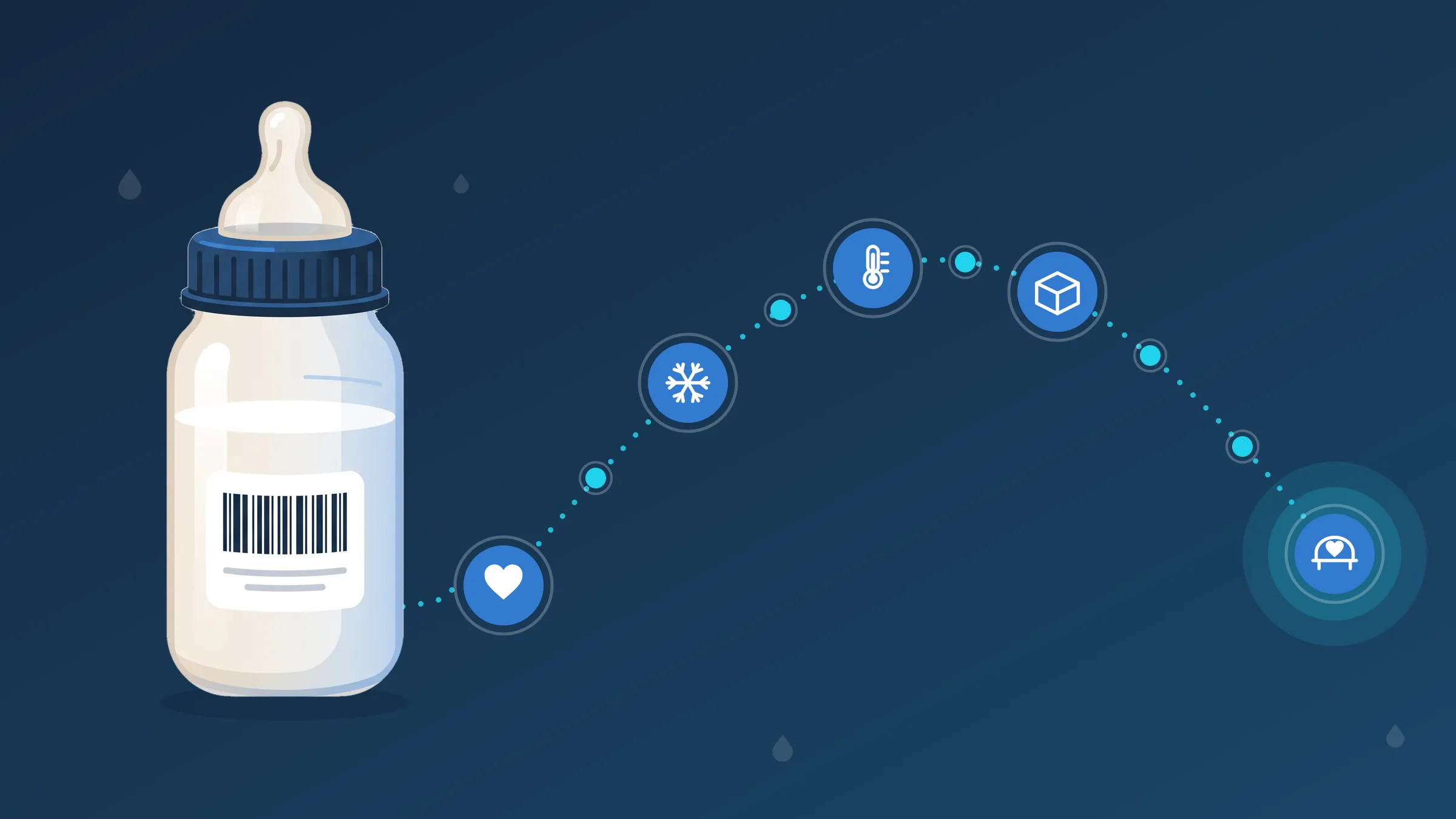
How we moved the software that tracks donated human milk to React and TypeScript, after more than a decade locked to Silverlight and Internet Explorer.
How we profiled an Electron app for a maritime radar, found the heaviest functions with help from AI, and moved the most-used functions to Rust compiled to WebAssembly, without throwing away the UI.
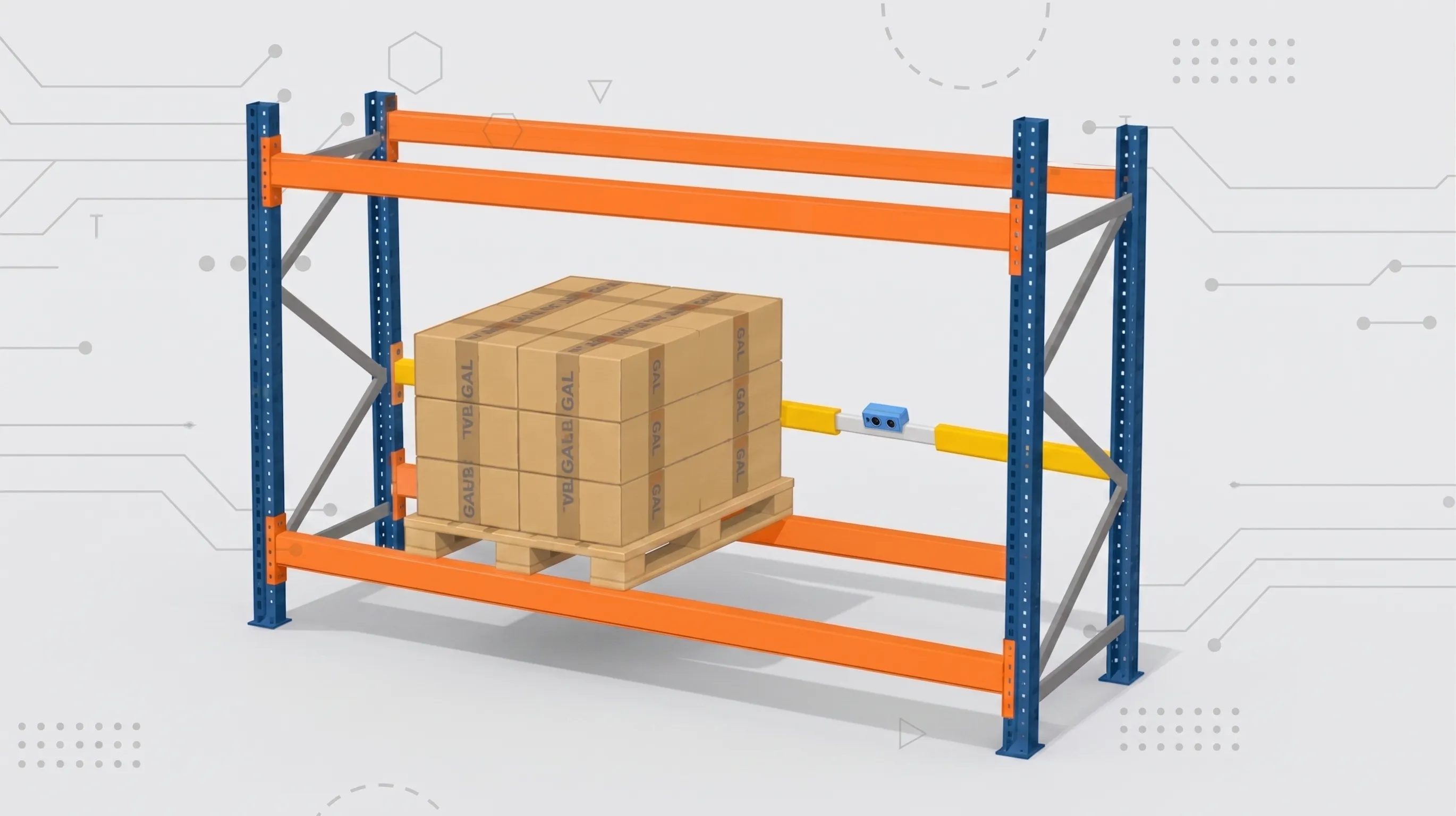
How Fancy Pixel turned Cognitiva's idea into VigilHub: custom electronics, a 3D-printed bumper and a multitenant web app to monitor impacts and deformation of pallet support beams.
How Agrimove, a project between AMI Ferrara and Fancy Pixel, turned worker transport into a tracked, safe, and sustainable service.
Islands architecture, zero JavaScript by default, type-safe Content Collections: what won us over after evaluating Hugo, Eleventy and Next.js.
A while ago we released Gulps on the AppStore. Gulps is a simple water tracking app that also reminds you when to drink throughout the day. This was an app of "firsts" for me: first Swift app,…
UIDynamics was a welcome addition to the iOS 7 SDK. It's basically a physics engine backing common UIViews, allowing us to define physics traits to the UI elements. The API is fairly…
When iOS8 opened the API to have actionable notifications many of us were disappointed that the text input action used in Messages wasn't available. It turns out that with iOS9 this API is now…
Lately my work at Fancy Pixel has focused on the backend of a product we're about to launch and for which we decided to build a JSON API-only server. These APIs can be consumed from third party…
We released a new app on the AppStore and decided to open source it. The app is called Gulps, a simple tracker of your daily water consumption. Gulps was a fun little side project built to learn a…
It's been a busy year for iOS developers. We got a slew of new toys to play with: a new version of iOS, new frameworks, a new language, new screen sizes and some new hardware to put on our wrists,…
This is the last part of "React + Flux backed by Rails API", make sure to check out Part 1 and Part 2 if you have missed them.
This is the second part of "React + Flux backed by Rails API", make sure to checkout Part 1.
I've been working on a frontend for a project we are developing here at Fancy Pixel. We are embracing what looks like a good habit: slicing what would be a monolithic Rails app in a lightweight…
You probably know already what iBeacon is, but just to reiterate, iBeacon is the Apple way of saying Bluetooth 4 Low Energy. At the cost of sounding like a mindless drone, by 'the Apple way of' I…